Age 16-18

On this page, you can see where each route can lead, what you could earn and the extra payments available for some subjects. You can also find out how we help you get your first job, with work shadowing, career development and interview preparation. When you finish your course, you can join our talent pool and be first to hear about our teaching vacancies.
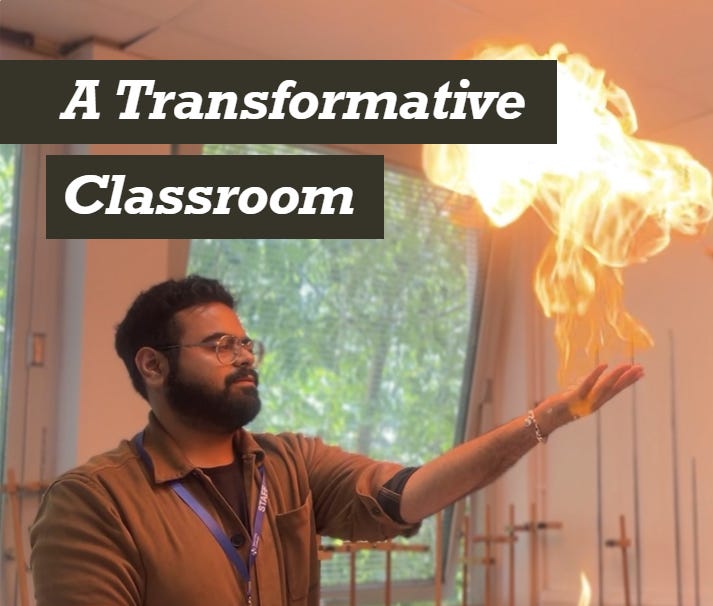
Read how our students and staff started their careers in education.
Start as a nursery assistant or Early Years Practitioner. With experience and a Level 3 qualification, you can become an Early Years Educator, room leader or nursery manager.
Start as a Teaching Assistant. With more training, you can become a Higher Level Teaching Assistant and lead lessons, or go on to train as a qualified teacher.
Start as a lecturer or tutor in a college. With experience, you can become a Curriculum Manager, Head of Department, senior leader or Principal.
In further education, each college sets its own pay. Across England, the Department for Education says that on average:
Source: Department for Education, Teach in Further Education
If you teach building and construction, computing and digital, engineering and manufacturing, maths, physics, chemistry or early years in further education, you could get a tax-free payment of up to £6,000 on top of your salary. This is for teachers in their first 5 years.
Many people teach in further education on a part-time or hourly basis while they keep working in their industry. It is a good way to try teaching, add to your income and keep your skills up to date.
New further education teachers can get a mentor through the Department for Education's funded Teacher Mentoring Programme. There is also free T Level professional development to keep your teaching and industry skills up to date.
When you train with New City College, we help you take the next step into work:
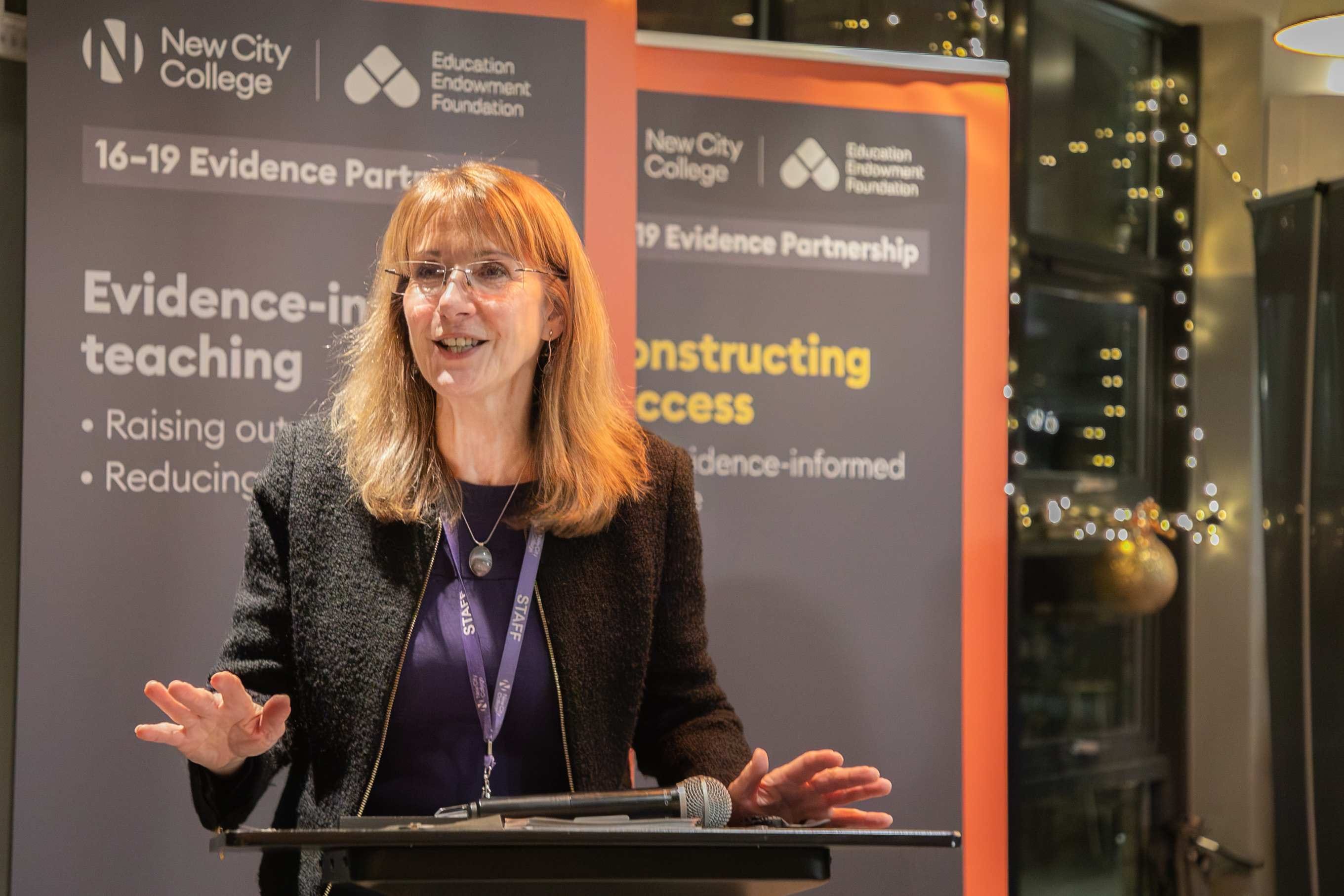
Our tutors work with the NCC Teaching and Learning Lab, which brings together education research, coaching and digital learning to find better ways to teach in further education. This means you learn from people who test new ideas in their own lessons and share what works with teachers across the sector.
Our teachers also write about their research and ideas on the Lab’s Substack, for anyone interested in the future of teaching.
Research, ideas and practical tips from our teachers. See all posts on Substack